
jinda@jinda-gelatin.com
+8614737181590

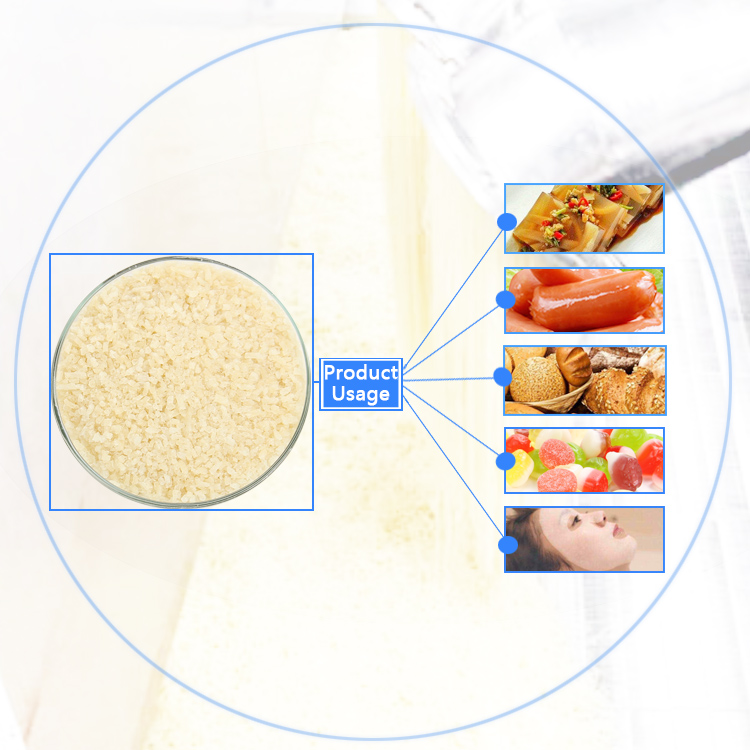
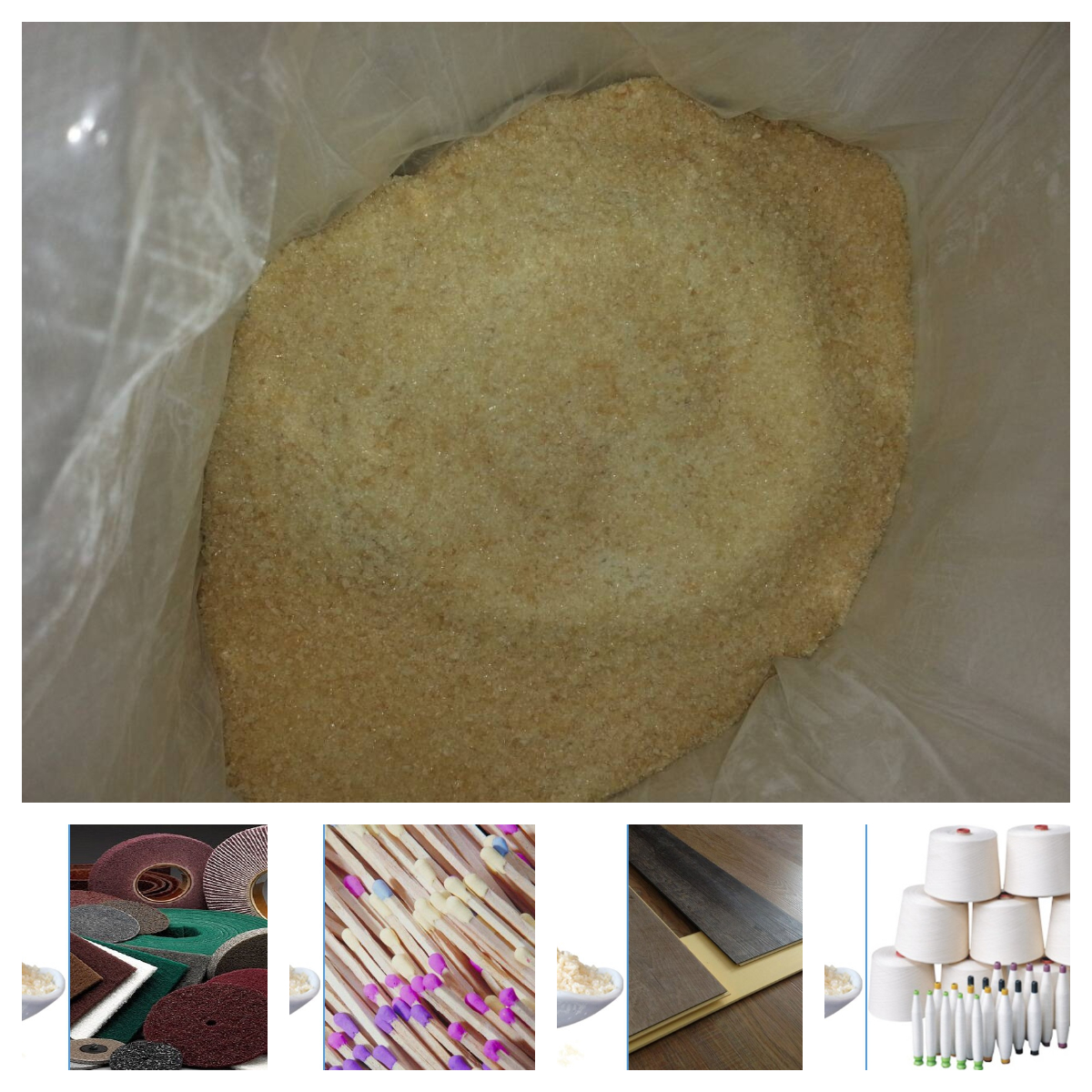
Nowadays, Many of the foods we consume have added food grade gelatin. The raw materials for producing food grade gelatin are quite different from industrial gelatin.
Gelatin produced through leather
hydrolysis is called industrial gelatin and is not a legal food additive.
The difference between industrial
gelatin and edible gelatin lies in the source of raw materials, production
process, use, heavy metal residues, and safety.
1. Source of raw materials
Industrial gelatin is made from
materials such as leather and animal bones, while edible gelatin comes from
animal connective tissues such as cowhide and pig trotters.
2. Production process
Industrial gelatin is usually made through steps such as acid hydrolysis, neutralization, precipitation, filtration, and concentration. Edible gelatin requires additional purification treatment
to remove impurities and may involve further processing.
3. Application
Industrial gelatin is mainly used in the
manufacturing of non-food fields such as paper, plastic, adhesives, etc.; Edible
gelatin is widely used in the production of candies, jellies, gummies, and
other foods.
4. Heavy metal residues
Industrial gelatin has not undergone special supervision for food safety, and there may be high levels of heavy metal residues; Edible gelatin must comply with strict food safety standards to ensure that
heavy metal content is below an acceptable range.
5. Security
Industrial gelatin does not consider
safety indicators for food use, which may lead to higher safety risks; Eating
gelatin must comply with strict safety standards to ensure consumer health.
Although industrial gelatin and edible gelatin are both composed of collagen, there are significant differences in their production conditions and applications. For safety reasons,
it should be
ensured that the products used are purchased through legal channels and comply
with applicable regulations.
Name: Linda
Mobile:+8613253773260
Tel:+8614737181590
Whatsapp:+8614737181590
Email:jinda@jinda-gelatin.com
Add:SISHUI INDUSTRIAL ZONE, WUJI COUNTY, SHIJIAZHUANG CITY, HEBEI PROVINCE, CHINA